









Develop Your Apps With Free Zone
Free Zone offers developers a dynamic and cost-effective environment to build, test, and launch applications without the typical overhead. By leveraging Free Zone’s no-cost infrastructure and developer-friendly tools,
How We Works
Four Steps to a Develop Apps
Submit Your Booking Online
Choose Your Time Slot & Checkout
Manage Your App Online
Easy Payment
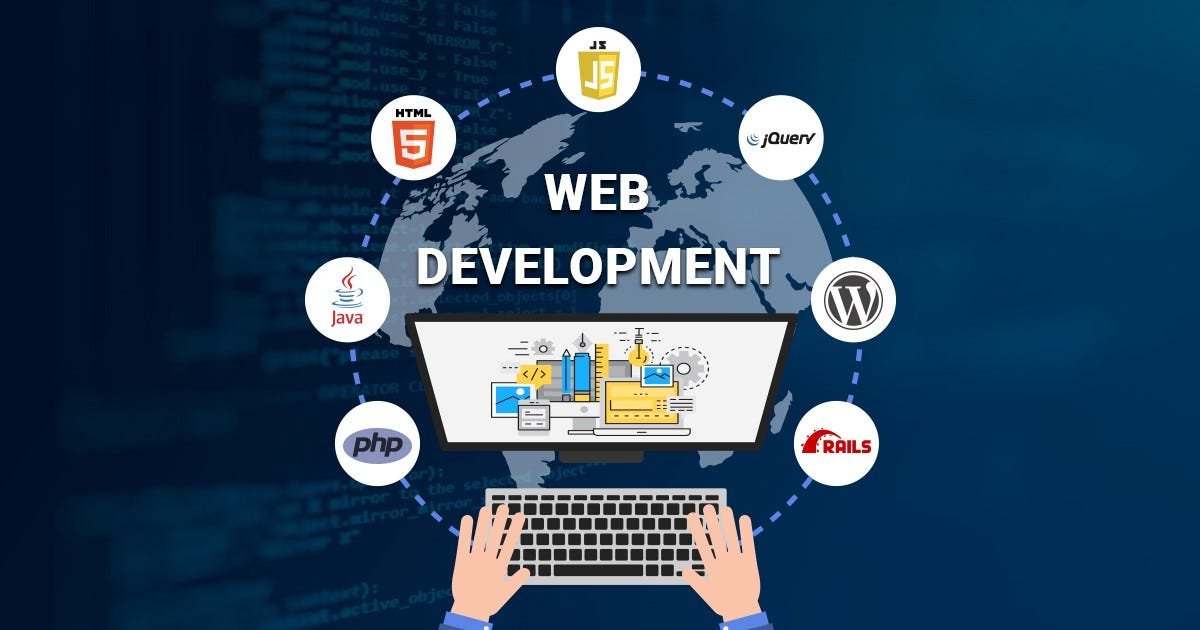
Web development services encompass the design, creation, and maintenance of websites and web applications tailored to meet business or personal needs. These services include front-end development for user interfaces, back-end development for server-side logic, and full-stack development that combines both.
Mobile app development involves creating software applications specifically designed to run on mobile devices such as smartphones and tablets. This process includes building native apps for platforms like iOS and Android, as well as cross-platform solutions using frameworks like Flutter or React Native.
Game app development is the process of designing and creating interactive games for mobile devices, desktops, or consoles. It involves game design, programming, graphic creation, sound integration, and user experience optimization. Using powerful game engines like Unity or Unreal Engine,
Licensed, Bonded and Insured
Our Company in Important Numbers
Our company’s success is reflected in the numbers that define our journey. With over 500+ completed projects, a team of 100+ skilled professionals, and a presence in 20+ countries, we have consistently delivered quality and innovation.
250k
Satisfied Clients
250+
Employees
550k
Hours Saved
10+
Years on the Market
Our Partners
Creative ideas that will help your Android Development.
Understanding the Android Ecosystem
The Android Operating System
Linux Kernel: Core system functionalities, hardware abstraction, and memory management.
Libraries and Runtime: C/C++ libraries for media, graphics, database handling, and the Android Runtime (ART), which executes apps.
Application Framework: APIs for developers to build apps and manage UI, resources, and more.
Applications: Built-in apps like SMS, browser, and user-installed third-party apps.
Setting Up the Android Development Environment
The primary IDE (Integrated Development Environment) for Android development is Android Studio, which is officially supported by Google.
Android SDK (Software Development Kit): Includes libraries, tools, documentation, and system images needed to develop and test Android apps.
Developers must ensure their systems meet minimum requirements to run Android Studio effectively A multi-core processor
Android Devices
Android runs on a wide variety of devices beyond smartphones and tablets, including smart TVs, wearables (like smartwatches), Android Auto for cars, and even IoT (Internet of Things) devices. This diversity poses both opportunities and challenges for developers, who must design apps that adapt to different screen sizes, hardware capabilities, and use cases.
Our Solutions
Android App Components
A Service performs background operations without a user interface. For example, it can handle network transactions, play music, or perform file I/O even when the user is not interacting with the app.
A BroadcastReceiver responds to system-wide broadcast announcements. Apps can listen for events such as network connectivity changes, battery levels, or incoming SMS messages.
Trusted by 25,000+ world-class brands and organizations of all sizes
User Interface and Layouts
Layouts and Views
Android UIs are built using Views (e.g., TextView, Button) and ViewGroups (e.g., LinearLayout, ConstraintLayout). These components can be designed in XML or programmatically in Kotlin/Java.
ConstraintLayout: A flexible layout system that allows complex UIs with flat hierarchy.
RecyclerView: Efficiently displays large sets of data using a scrollable list.
Material Design
Google’s Material Design guidelines help developers create visually appealing and consistent interfaces across devices. Android’s support libraries and Jetpack Compose offer Material Design components like AppBar, FAB, Cards, and more.
Jetpack Compose
Jetpack Compose is Android’s modern toolkit for building native UIs. It uses a declarative programming model, making UI development more intuitive and efficient. Instead of modifying views, developers describe UI elements in Kotlin code, and the system updates the UI automatically.
Compose simplifies state management, theming, animations, and more, allowing developers to write less boilerplate and focus on the app experience.
What we do
Transforming Social Media into Social Impact
Observes data changes and updates the UI automatically.
Simplifies database operations and abstracts SQLite.
Handles in-app navigation using a visual graph.
Manages background tasks efficiently.
A modern replacement for SharedPreferences for key-value storage.
Android apps have multiple lifecycle stages, especially in activities and fragments.
Why Choose Us
Maximizing Engagement, Driving Growth.
Montes sollicitudin orci justo aliquam dis quam nibh
Need More Help?
Our friendly support team is here to help.
Testing in Android Development
Testing is crucial for app reliability and user trust. Android supports multiple testing approaches:
Unit Testing: Verifies individual units of logic (e.g., ViewModel tests using JUnit and Mockito).
UI Testing: Ensures UI behaves as expected using frameworks like Espresso or UI Automator.
Integration Testing: Tests how different modules work together.
Instrumented Testing: Runs on actual devices or emulators.
Android Studio provides robust support for writing and executing tests.
Publishing to Google Play Store
Before publishing, apps must be signed with a release key. The process involves:
Building a release APK or AAB (Android App Bundle)
Preparing store listing (descriptions, screenshots, privacy policies)
Uploading through the Google Play Console
Setting pricing and distribution countries
Submitting for review
Developers can also track metrics, manage subscriptions, and respond to reviews via the Play Console.